Table of Contents
ToggleRemote Patient Monitoring (RPM) is reshaping how nursing care is delivered across the United States, particularly in Skilled Nursing Facilities (SNF) and long-term care environments. As healthcare systems transition toward value-based care, providers are under increasing pressure to improve patient outcomes, reduce avoidable hospitalizations, and optimize workforce efficiency.
However, while RPM offers clear advantages, organizations continue to face significant barriers to remote patient monitoring. From communication gaps to workflow integration challenges, these obstacles can limit adoption and impact effectiveness. Addressing these challenges of remote patient monitoring is essential to fully realize its clinical and operational benefits.
Why Remote Patient Monitoring Is Transforming Nursing Care
The Role of Remote Clinical Monitoring in Modern Nursing
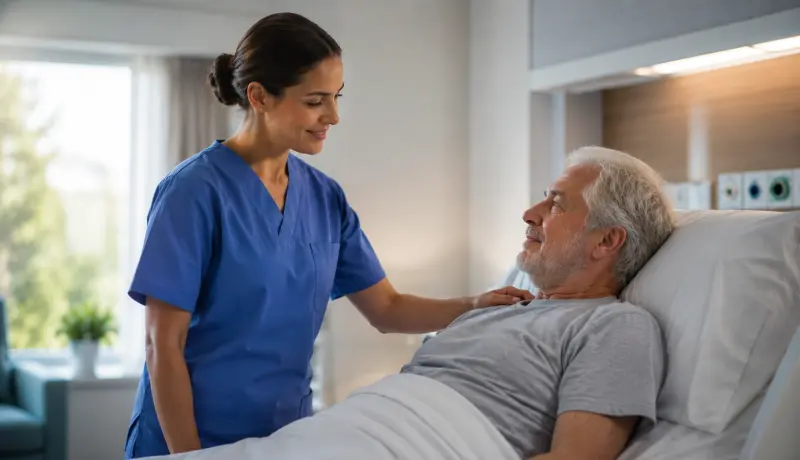
Remote clinical monitoring enables nurses to track patient health beyond traditional bedside interactions. Instead of relying solely on periodic vital checks, care teams gain access to continuous tracking of physiological trends, allowing for more informed clinical decisions.
This shift supports a proactive model of care, where nurses can identify early signs of deterioration rather than reacting to acute events.
Growing Adoption in Skilled Nursing Facilities and Long-Term Care
The adoption of RPM is accelerating in SNF due to:
- Increasing chronic disease burden
- CMS incentives tied to readmission reduction and quality measures
- Persistent workforce shortages
In these settings, RPM enhances visibility into patient health, supports care continuity, and helps facilities align with reimbursement frameworks.
Key Challenges of Remote Patient Monitoring in Nursing
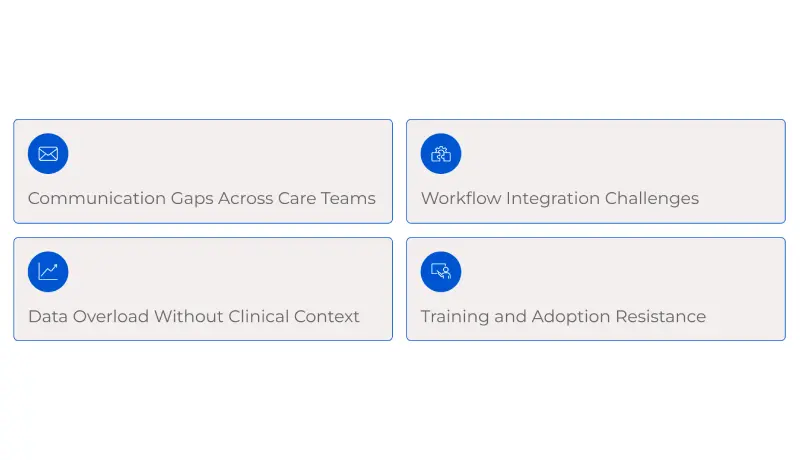
Despite its potential, several remote patient monitoring challenges continue to impact implementation.
1. Communication Gaps Across Care Teams
One of the most critical barriers of communication in health care is fragmented information flow between providers. Disconnected systems and inconsistent documentation can delay interventions and compromise patient safety.
2. Workflow Integration Challenges
RPM must align with existingclinical workflows. When systems operate independently of daily nursing routines, they can create inefficiencies and increase administrative burden.
3. Data Overload Without Clinical Context
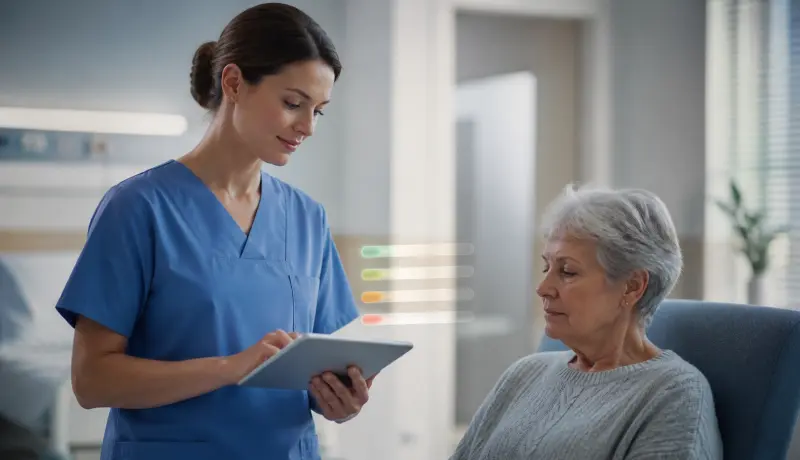
Continuous tracking generates significant data. Without structured frameworks such as EWS or standardized scoring systems, nurses may struggle to interpret which data points require immediate attention.
4. Training and Adoption Resistance
Introducing new technologies often requires behavioral change. Lack of familiarity, insufficient training, and perceived complexity can slow adoption among nursing staff.
These challenges of remote patient monitoring highlight the importance of strategic implementation and user-centric design.
Strategies to Overcome Barriers to Remote Patient Monitoring
Addressing barriers to remote patient monitoring requires a combination of technology, workflow alignment, and staff engagement.
1. Standardize Communication Protocols
Effective communication is essential for overcoming communication barriers in healthcare.
- Implement centralized dashboards for unified data access
- Define clear escalation pathways using EWS frameworks
- Ensure consistent documentation across care teams
2. Integrate RPM into Clinical Workflows
RPM should seamlessly fit into existing nursing processes.
- Align monitoring schedules with routine care activities
- Reduce duplicate documentation efforts
- Ensure compatibility with EHR systems
3. Use Structured Clinical Frameworks
Incorporating EWS and NCBP-based monitoring provides context to data.
- Helps prioritize high-risk patients
- Supports consistent clinical decision-making
- Reduces cognitive load for nursing staff
4. Invest in Training and Change Management
Adoption improves when staff feel confident using new systems.
- Provide hands-on training and ongoing support
- Highlight clinical and operational benefits
- Encourage feedback from frontline nurses
5. Focus on Patient-Centered Implementation
Patients and families must be comfortable with monitoring systems.
- Educate patients on the purpose and benefits of RPM
- Ensure minimal disruption to daily routines
- Build trust through transparency
Role of Remote Patient Monitoring Devices in Improving Nursing Efficiency
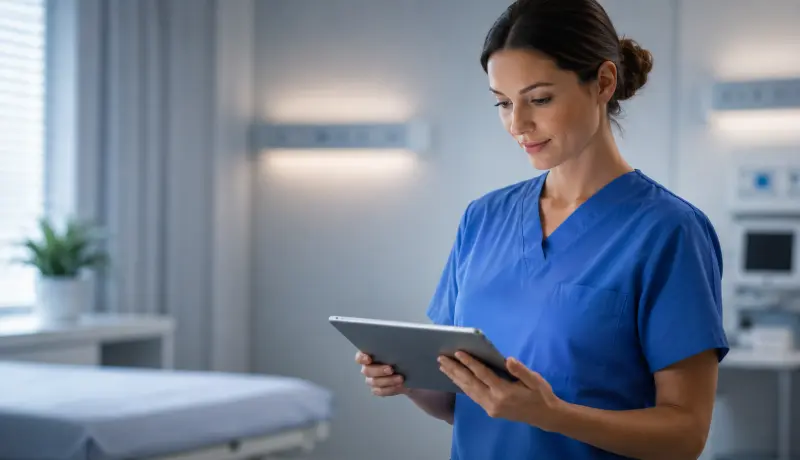
Remote patient monitoring devices are central to improving nursing workflows and care delivery.
Key Contributions:
- Continuous tracking of vital signs without frequent manual checks
- Reduced documentation burden through structured data capture
- Improved prioritization of patient care based on risk levels
These devices allow nurses to manage larger patient populations while maintaining high standards of care.
Benefits of Overcoming Remote Monitoring Challenges
When organizations successfully address barriers to remote patient monitoring, the impact is significant.
Clinical Benefits:
- Early detection of patient deterioration
- Improved management of chronic conditions
- Enhanced patient safety
Operational Benefits:
- Reduced workload for nursing staff
- Streamlined workflows and improved efficiency
- Better coordination across care teams
Financial Benefits:
- Reduced hospital readmissions
- Improved performance under CMS reimbursement models
- Lower operational costs
These outcomes demonstrate how addressing remote patient monitoring challenges can drive measurable value.
Best Practices for Implementing Remote Patient Monitoring in Nursing Care
Successful RPM implementation requires a structured approach:
- Start with high-risk populations: Focus on patients with the greatest need
- Align with regulatory requirements: Ensure compliance with HIPAA and CMS guidelines
- Leverage structured frameworks: Use EWS and NCBP measurements for consistent monitoring
- Track performance metrics: Monitor outcomes to refine strategies
- Engage nursing teams early: Build trust and encourage adoption
These practices help create sustainable RPM programs that deliver long-term benefits.
The Future of Remote Patient Monitoring in Nursing
The future of RPM in nursing will be shaped by:
- Increased integration with clinical workflows and EHR systems
- Greater reliance on continuous tracking for proactive care
- Expansion into long-term and post-acute care settings
As healthcare systems continue to evolve, RPM will play a critical role in addressing workforce shortages and showcasing how RPM improve the patient outcome through data-driven, patient-centered care.
FAQs
Common barriers include communication gaps, workflow integration challenges, data overload, and staff training issues.
By standardizing protocols, improving data sharing systems, and enhancing care coordination.
Nurses may face challenges related to data interpretation, workflow alignment, and adapting to new technologies.
They enable continuous tracking, reduce manual workload, and support early detection of health issues.
Effective strategies include staff training, workflow integration, use of EWS frameworks, and patient-centered design.