


Table of Contents
ToggleHealthcare delivery in the United States is undergoing a significant transformation as providers look for ways to manage rising patient volumes, staffing shortages, and increasing chronic disease prevalence. Remote monitoring technologies are emerging as a key component of this transformation.
For hospitals, skilled nursing facilities (SNF), and post-acute providers, rpm patient monitoring offers a way to maintain clinical visibility between bedside visits while supporting better care coordination. When combined with structured scoring frameworks such as Early Warning Systems (EWS), monitoring platforms can help clinicians detect physiological trends and prioritize care.
As the healthcare industry moves toward value-based care models, the adoption of rpm devices and monitoring platforms is expected to accelerate. Understanding the trends in remote patient monitoring will help healthcare leaders prepare their organizations for the next phase of digital care delivery.
Why 2026 Is a Turning Point for RPM Patient Monitoring
Several factors are converging to make 2026 a pivotal year for remote monitoring.
First, the aging US population is increasing the demand for chronic disease management. Many Medicare beneficiaries live with multiple conditions that require consistent oversight.
Second, healthcare workforce shortages are forcing providers to find ways to extend clinical monitoring without significantly increasing staffing levels.
Third, reimbursement models under CMS increasingly emphasize outcomes such as reduced hospital readmissions and improved chronic disease management.
Together, these factors are driving stronger adoption of rpm patient monitoring technologies across hospitals, SNF, and outpatient care environments.
10 Core Trends in Remote Patient Monitoring
1. Continuous Monitoring Becomes Standard in Long-Term Care
Long-term care providers are shifting from periodic vital checks toward continuous tracking of physiological parameters. Monitoring systems allow staff to observe heart rate, respiratory rate, oxygen saturation, and NCBP trends across multiple residents simultaneously.
This approach supports earlier recognition of deterioration patterns compared with episodic monitoring.
2. Early Warning Systems Embedded in RPM Platforms
Modern monitoring platforms increasingly incorporate Early Warning Systems (EWS). These scoring frameworks evaluate multiple physiological parameters and assign a risk score based on clinical changes.
EWS models help clinicians interpret vital sign trends more effectively while supporting standardized deterioration detection.
3. Contactless RPM Devices Gaining Adoption
Healthcare organizations are exploring monitoring technologies that minimize patient discomfort and reduce device burden. Contactless monitoring systems allow physiological parameters to be captured without attaching multiple sensors directly to the patient.
This approach can improve patient experience while supporting continuous monitoring workflows.
4. Stronger Integration with EHR Systems in Healthcare
Integration between monitoring platforms and ehr systems in healthcare is becoming a priority.
When RPM data flows directly into electronic health records, clinicians gain a more complete view of patient health status. This integration also supports documentation requirements tied to reimbursement programs.
Among the benefits of EHR systems is the ability to consolidate patient information in a centralized record, improving care coordination across teams.
5. RPM Expanding into Chronic Care Management Workflows
Remote monitoring is increasingly integrated into chronic disease programs. Conditions such as heart failure, COPD, diabetes, and hypertension benefit from consistent physiological oversight.
Monitoring data allows clinicians to observe long-term trends and adjust care plans accordingly.
As chronic disease prevalence increases, RPM is becoming an important component of broader care coordination strategies.
6. Centralized Remote Monitoring Across Multiple Facilities
Large healthcare organizations are developing centralized monitoring models. These systems allow clinical teams to review patient data across multiple facilities from a single dashboard.
For SNF operators managing several locations, centralized oversight improves coordination and helps prioritize clinical attention where it is most needed.
7. Financial ROI and Outcome-Based Adoption Models
Healthcare administrators increasingly evaluate RPM programs based on measurable outcomes.
Key metrics often include:
- Reduced hospital readmissions
- Improved chronic disease documentation
- Better resource utilization
Outcome-based evaluation frameworks help organizations determine the financial and operational impact of monitoring technologies.
8. Smarter Multi-Parameter RPM Devices
Modern rpm devices are capable of capturing multiple physiological indicators simultaneously.
Examples include:
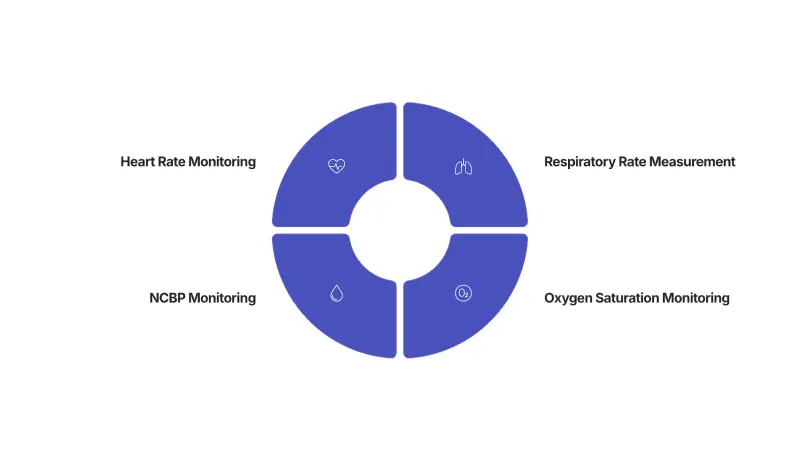
Multi-parameter monitoring helps clinicians observe broader physiological patterns rather than isolated vital readings.
9. Enhanced Data Security and Compliance Standards
Healthcare data protection remains a critical priority. RPM platforms must comply with HIPAA requirements and maintain strict safeguards for patient information.
Organizations evaluating monitoring solutions increasingly prioritize platforms that demonstrate strong data protection practices and secure system architecture.
10. Proactive Care Models Replacing Reactive Monitoring
Healthcare providers are moving away from reactive models that respond only after symptoms escalate.
Monitoring systems allow clinicians to observe physiological trends over time, enabling earlier clinical evaluation when risk patterns appear.
This shift supports safer care pathways and improved operational oversight across healthcare facilities.
How Skilled Nursing Facilities Should Prepare for RPM in 2026
For SNF administrators, preparing for the next phase of monitoring adoption requires a strategic approach.
Key considerations include:
Evaluate infrastructure readiness:
Facilities should assess connectivity, monitoring equipment availability, and compatibility with existing EHR systems.
Train clinical staff on monitoring workflows:
Successful RPM implementation depends on staff understanding how to interpret monitoring trends and integrate them into clinical decision-making.
Align monitoring programs with quality metrics:
Facilities participating in value-based reimbursement programs should evaluate how monitoring systems support outcomes such as reduced hospital readmissions.
Choose scalable monitoring platforms:
Solutions should be capable of expanding across multiple units or facilities as monitoring needs grow.
Organizations that plan ahead for these trends will be better positioned to benefit from the next generation of remote patient monitoring trends.
FAQs
Key trends include greater integration with EHR systems, expanded use of multi-parameter monitoring devices, centralized monitoring across facilities, and stronger adoption in chronic disease programs.
One major trend is the use of monitoring technologies that provide continuous tracking of physiological indicators outside traditional bedside environments.
CMS continues to support remote monitoring services through CPT codes such as 99453, 99454, 99457, and 99458, though policy updates may occur annually.
Common RPM CPT codes include device setup (99453), device supply (99454), and treatment management services (99457 and 99458).
Policy updates may occur through the annual Medicare Physician Fee Schedule. Providers should review CMS guidance each year for reimbursement changes.
The future of RPM includes broader adoption across healthcare settings, deeper integration with electronic records, and stronger use in chronic disease management programs.