




Table of Contents
ToggleNursing burnout has become one of the most pressing workforce challenges in US healthcare. Across hospitals and skilled nursing facilities (SNF), clinicians face increasing patient acuity, chronic disease complexity, and documentation requirements.
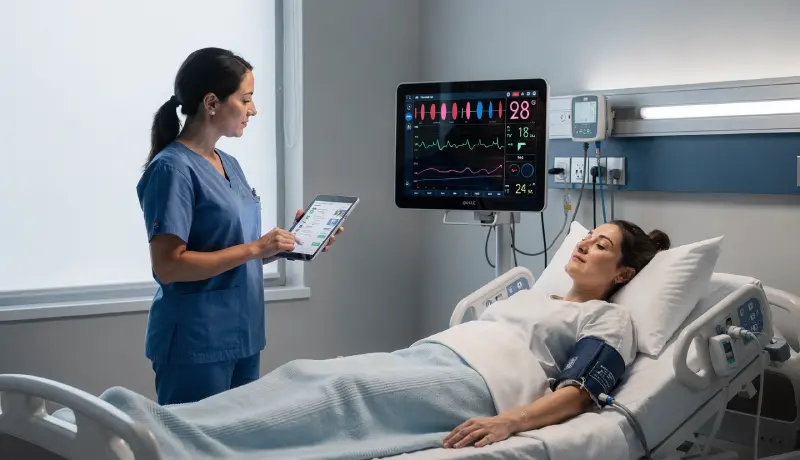
Reducing burnout is no longer a wellness initiative alone, it is a patient safety priority. One promising strategy is automated vital sign monitoring supported by Continuous tracking and structured Early Warning Systems (EWS).
The Growing Nursing Burnout Crisis in Acute and Long-Term Care
Burnout in healthcare settings is frequently misunderstood as emotional exhaustion alone. In reality, it reflects operational overload.
In many US SNF:
- Nurse-to-patient ratios are stretched
- Manual vital checks occur every 4–6 hours
- Documentation requirements consume significant shift time
- High notification volumes create cognitive strain
When nurses are responsible for monitoring dozens of residents, identifying subtle signs of deteriorating condition becomes increasingly difficult.
The emotional toll of missing a deterioration event can be profound. Fear of overlooking an early warning sign adds further stress to already demanding shifts.
Burnout is not just emotional exhaustion, it is the cumulative burden of excessive workflow demands.
Why Early Detection of a Deteriorating Patient Is So Challenging
Clinical deterioration rarely presents dramatically at onset. Instead, small physiologic shifts accumulate over time.
For a deteriorating patient, early changes may include:
- Slightly elevated respiratory rate
- Mild tachycardia
- Gradual blood pressure variability
In busy SNFs and hospital units, intermittent manual checks may not capture these trends.
Compounding factors include:
- Staffing shortages
- Competing clinical priorities
- Documentation overload
- Alarm fatigue from bedside devices
This environment increases the likelihood that early patient care signs go unnoticed.
What Are the Three Signs of Clinical Deterioration?
A frequent question is: what are the three signs of clinical deterioration?
While clinical presentation varies, three physiologic indicators are widely recognized as critical:
Respiratory Rate Changes
Respiratory rate is often the earliest marker of decline. An increase may indicate infection, metabolic imbalance, or respiratory distress.
Subtle changes may precede visible symptoms, making respiratory monitoring essential.
Heart Rate Abnormalities
Tachycardia or bradycardia may signal dehydration, cardiac strain, or systemic illness.
Longitudinal observation strengthens recognition of meaningful deviations from baseline.
Blood Pressure Instability
Fluctuations in blood pressure can reflect sepsis, hemorrhage, or cardiovascular compromise.
Structured NCBP trend estimation may complement traditional cuff readings by supporting broader physiologic insight.
Understanding these three indicators helps clinicians prioritize monitoring strategies.
Signs of Deterioration in Elderly Patients
Elderly populations often present atypically. The signs of deterioration in elderly residents may include:
- Mild confusion or agitation
- Subtle respiratory changes
- Reduced appetite
- Slight blood pressure shifts
Because these changes can appear nonspecific, relying solely on episodic monitoring may delay intervention.
Continuous tracking strengthens visibility into evolving patterns, especially in high-risk geriatric populations.
The Problem with Manual Vital Sign Monitoring
Traditional monitoring models rely on scheduled manual vital collection.
While foundational, this approach has limitations:
- Snapshot measurements rather than trend analysis
- Increased documentation time
- Workflow interruptions
- Risk of missed intervals
Manual processes also contribute to repetitive workload. When nurses spend significant time collecting and charting vitals, they have less capacity for comprehensive clinical assessment.
This operational strain contributes directly to burnout.
How Automated Vital Sign Monitoring Reduces Nurse Workload
Automated vital sign monitoring reduces dependence on repeated manual checks.
By enabling Continuous tracking of respiratory rate, heart rate, and other parameters, nurses gain access to longitudinal trends without interrupting workflow.
Key benefits include:
- Fewer repetitive vital checks for stable patients
- Improved prioritization of high-risk residents
- Reduced documentation burden
- Centralized dashboards for oversight
Rather than replacing clinical judgment, automation supports structured situational awareness.
How Early Warning Systems Identify Deteriorating Conditions
EWS (Early Warning Score) frameworks aggregate multiple vital parameters into a composite risk score.
Instead of focusing on isolated measurements, EWS evaluates:
- Respiratory rate
- Heart rate
- Blood pressure
- Oxygen saturation
When combined, these values may signal emerging instability even if individual readings appear only mildly abnormal.
EWS strengthens clinical prioritization while supporting compliance with CMS quality expectations related to deterioration management and hospital transfer reduction.
Impact on Nursing Burnout
Reducing burnout requires systemic solutions.
Automated monitoring contributes by:
- Lowering repetitive manual workload
- Reducing cognitive overload
- Supporting earlier identification of deterioration
- Minimizing crisis-driven escalations
When nurses feel confident that deterioration trends are visible and prioritized, stress decreases.
Operational relief improves morale, supports retention, and enhances patient safety culture.
Benefits for Skilled Nursing Facilities
For SNFs operating under CMS oversight and value-based purchasing models, automated monitoring offers measurable advantages:
- Reduced avoidable hospital transfers
- Improved documentation consistency
- Enhanced survey readiness
- Stronger quality metrics
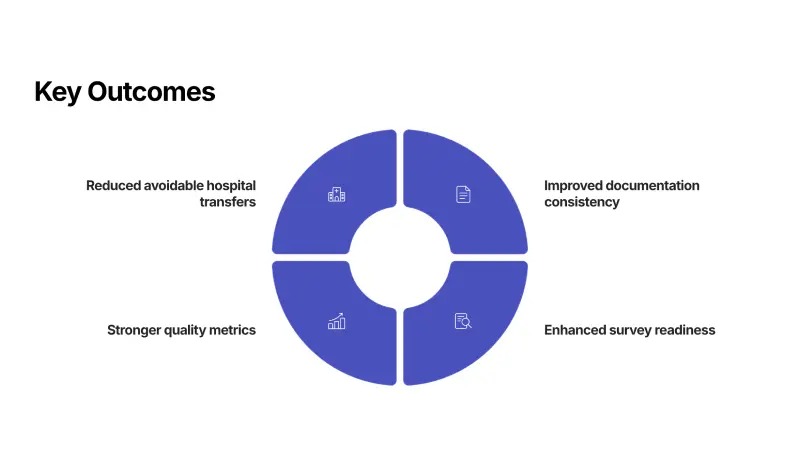
Early identification of signs of deteriorating condition supports both resident outcomes and facility performance.
Structured monitoring also aligns with evolving expectations around risk management and patient safety in long-term care environments.
Conclusion
Nursing burnout is not simply a workforce morale issue, it is a structural care delivery challenge.
Missed patient care signs increase risk for both residents and facilities. Manual vital sign collection models, while essential, may not meet the demands of modern care environments.
By integrating automated vital monitoring, Continuous tracking, and EWS-based prioritization, healthcare organizations can reduce operational overload while strengthening early deterioration detection.
For US hospitals and skilled nursing facilities, this approach represents a strategic pathway toward safer, more sustainable care delivery.
FAQs
A nurse who reviews remotely collected physiologic data and coordinates care interventions based on structured monitoring programs.
Excessive device notifications can overwhelm staff. Structured monitoring systems that prioritize clinically meaningful trends help reduce fatigue.
Staffing shortages, excessive documentation, and high patient acuity are primary contributors.
Respiratory changes, heart rate abnormalities, and blood pressure instability are among the most critical indicators.
An EWS aggregates multiple vital parameters into a composite score to help prioritize patients at risk of decline.