

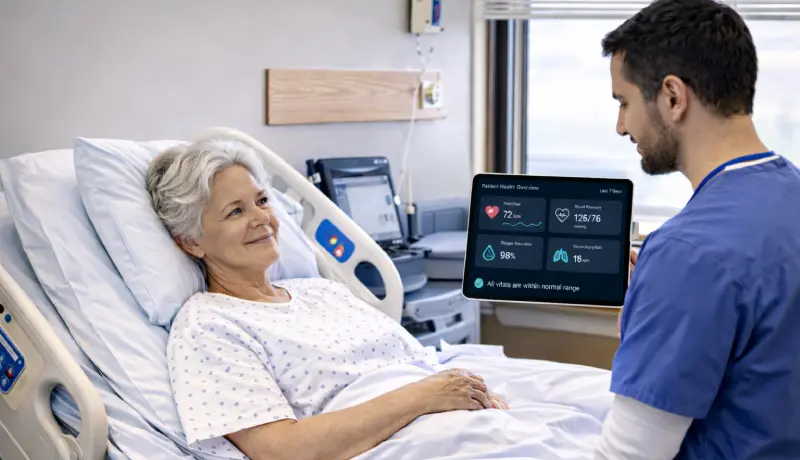


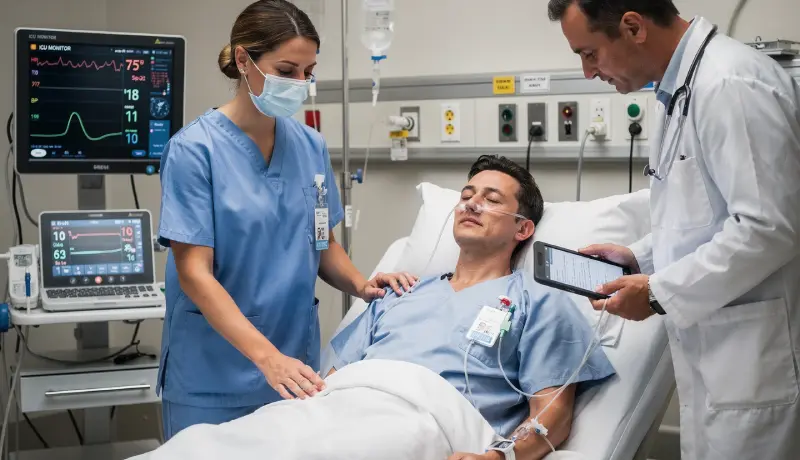
Lung transplantation is one of the most complex and resource-intensive procedures in modern medicine. While surgical outcomes have improved significantly, the post-operative phase remains clinically fragile. The weeks and months following discharge are critical for graft stability, infection control, and long-term survival.
For US transplant centers operating within CMS regulatory frameworks and value-based care models, preventing readmissions and early complications is a priority. This is where structured remote patient monitoring plays a transformative role.
By enabling continuous tracking of vital parameters and supporting EWS-based risk prioritization, RPM strengthens oversight beyond the hospital walls.
Understanding Post-Lung Transplant Care Challenges
Physiological Vulnerabilities After Lung Transplant
Post-transplant patients face heightened physiological stress due to:
- Immunosuppressive therapy
- Risk of organ rejection
- Infection susceptibility
- Fluid imbalance
- Cardiovascular strain
The transplanted lung requires careful surveillance to ensure optimal oxygen exchange and hemodynamic stability.
Common Post-Transplant Complications
Frequent complications include:
- Acute rejection episodes
- Respiratory infections
- Cardiac arrhythmias
- Pulmonary edema
- Renal dysfunction secondary to immunosuppressants
These complications may begin with subtle shifts in respiratory rate, oxygen saturation, or heart rate. Early identification is essential to prevent escalation.
Why Traditional Monitoring Falls Short After Discharge
Limitations of Intermittent Vital Checks
Traditional discharge follow-up relies on scheduled clinic visits and patient self-reporting. Intermittent measurements using a standard vital signs monitor may not capture gradual deterioration between visits.
Isolated readings provide limited trend visibility, particularly in high-risk populations such as transplant recipients.
Gaps in Home and Step-Down Monitoring
After discharge, many patients transition to home or step-down facilities. Staffing variability and limited monitoring infrastructure can create oversight gaps.
Without structured post-transplant monitoring solutions early warning signs may go unnoticed until hospital readmission becomes necessary.
What Is Remote Patient Monitoring (RPM) in Post-Transplant Care?
Remote patient monitoring refers to the collection and evaluation of physiologic data outside traditional clinical settings, under the supervision of healthcare providers.
RPM platforms integrate:
- Data from heart monitoring devices
- Oxygen saturation measurements
- Respiratory rate tracking
- Blood pressure monitoring
- Centralized clinician dashboards
These programs align with CMS Remote Physiologic Monitoring (RPM) CPT codes (99453–99458) and comply with HIPAA standards.
How RPM Supports the Post–Lung Transplant Continuum
RPM bridges care transitions across:
- Immediate post-discharge
- Early recovery (first 90 days)
- Long-term transplant follow-up
Continuous tracking allows transplant teams to monitor trends rather than isolated measurements. This strengthens oversight while reducing unnecessary clinic visits.
Key Vital Signs That Must Be Monitored After Lung Transplant
Effective post-transplant monitoring includes:
- Respiratory rate
- Oxygen saturation
- Heart rate
- Blood pressure
- Temperature
Subtle deviations in respiratory patterns may indicate infection or rejection. Blood pressure instability may reflect medication effects or fluid imbalance.
Advanced systems may incorporate NCBP (Non-Cuff Blood Pressure) trend estimation to complement traditional cuff-based tools.
Structured review of these parameters supports clinical stability.
Role of Heart Monitoring Devices in Post-Transplant Care
Why Cardiac Monitoring Is Essential After Lung Transplant
Cardiovascular complications are common after lung transplantation. Surgical stress and immunosuppressive therapy can predispose patients to arrhythmias and hemodynamic instability.
Integrating heart monitoring devices into RPM programs enables oversight of cardiac trends that may otherwise remain undetected.
Remote Heart Monitoring Devices vs Traditional Methods
Traditional cardiac evaluation relies on in-clinic ECGs or episodic Holter monitors.
In contrast, remote heart monitoring devices provide longitudinal data that supports pattern recognition. This does not replace in-person evaluation but enhances continuity between visits.
When combined with continuous tracking, cardiac oversight becomes more proactive.
How RPM Enhances Early Warning & Clinical Decision-Making
RPM platforms may incorporate EWS (Early Warning Score), a structured scoring framework that aggregates multiple vital parameters.
EWS assists clinicians in prioritizing patients whose combined vital trends suggest elevated risk.
For transplant centers, this means:
- Earlier identification of infection or rejection
- Improved triage decisions
- Reduced unplanned readmissions
RPM does not replace transplant specialists. It strengthens their ability to intervene before complications escalate.
Use Cases: RPM Across the Post-Transplant Recovery Journey
Immediate Post-Discharge (First 30 Days)
High-intensity monitoring during the first 30 days after discharge helps detect early complications and ensures timely intervention.
Intermediate Recovery (30-90 Days)
Ongoing vital review supports medication titration and pulmonary rehabilitation.
Long-Term Follow-Up
Structured post-transplant monitoring solutions maintain oversight while reducing clinic burden.
For Medicare beneficiaries, this model aligns with value-based care goals and quality performance benchmarks.
Conclusion: Making RPM a Standard of Care in Post-Lung Transplant Recovery
Post-lung transplant care demands vigilance beyond hospital discharge. Intermittent monitoring alone may not provide sufficient oversight for this vulnerable population.
By integrating remote patient monitoring, continuous tracking, EWS frameworks, and compatible remote heart monitoring devices, transplant programs can enhance safety, improve patient engagement, and support CMS-aligned reimbursement pathways.
As transplant centers adapt to value-based care models, RPM is positioned to become an essential component of structured post-operative management.
FAQs
It involves structured collection and evaluation of vital data after discharge to support transplant team oversight.
It helps identify subtle physiological changes that may signal infection, rejection, or cardiac instability.
Respiratory rate, oxygen saturation, heart rate, blood pressure, and temperature.
They provide longitudinal cardiac trend data, supporting earlier recognition of arrhythmias or instability.
RPM enables continuous tracking and structured clinical review, whereas traditional monitoring relies on intermittent visits and isolated readings.