Table of Contents
ToggleIn Skilled Nursing Facilities (SNF), the way patient health is tracked can make the difference between proactive care and costly hospital readmissions. While traditional health monitoring systems remain the backbone of patient care, new-generation RPM monitoring devices like Dozee are reshaping expectations by offering Continuous Monitoring and Improvement.
This blog explores the differences between traditional methods and Dozee’s contactless approach to remote health monitoring, with a focus on benefits that matter most in the U.S. healthcare system – staff efficiency, CMS compliance, reimbursement alignment, and patient-family trust.
Understanding the Foundations
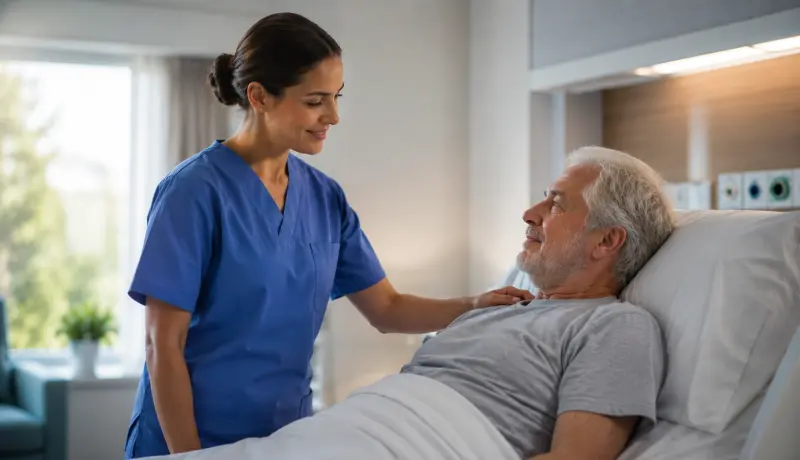
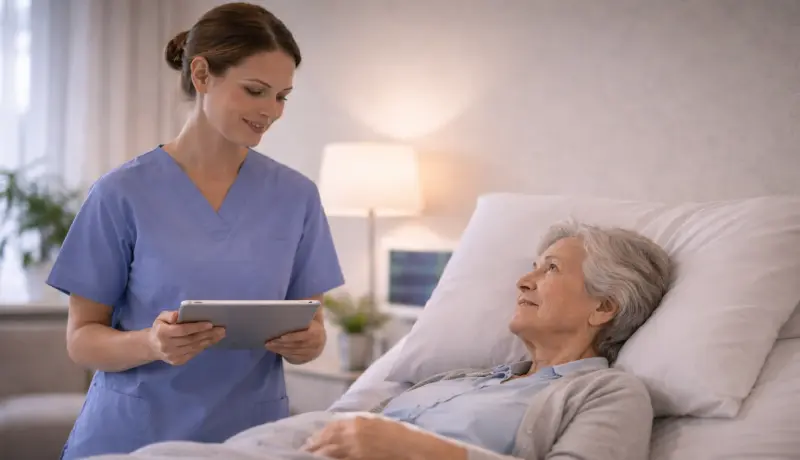
Traditional monitoring relies heavily on manual checks by nurses and caregivers, typically performed every few hours. This model has supported clinical practice for decades but faces limitations in today’s high-volume, resource-constrained environment.
Remote Patient Monitoring (RPM), by contrast, uses patient remote monitoring devices to capture vital data continuously and securely share it with care teams. In the U.S., RPM is recognized under CMS telehealth provisions, making it both clinically relevant and financially viable for SNF.
Traditional Monitoring: Pros and Cons
Pros
- Simple and low-tech, requiring little infrastructure.
- Direct patient-nurse interaction strengthens rapport.
- Widely understood and universally accepted across care settings.
Cons
- Intermittent data collection, leaving gaps between checks.
- Staff burden, particularly in facilities facing workforce shortages.
- Increased risk of late detection of patient deterioration.
- Documentation challenges for regulatory compliance and audits.
Dozee’s Contactless RPM Revolution
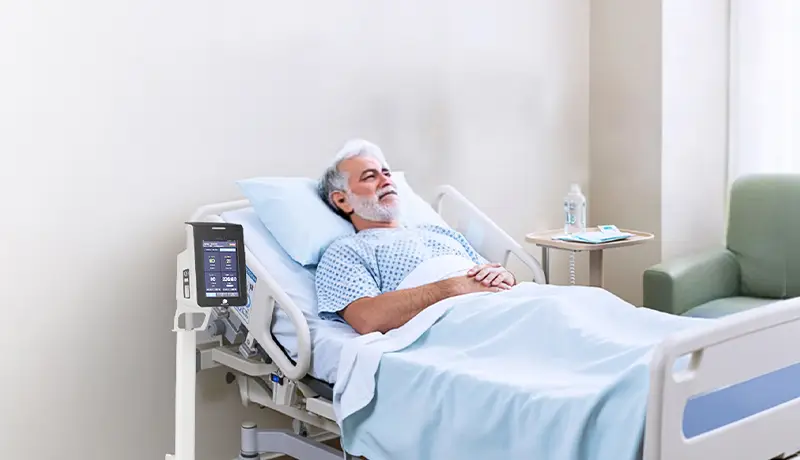
Dozee represents a step beyond traditional bedside checks. As an RPM monitoring device, it is placed beneath the mattress, ensuring comfort for patients while enabling Continuous Monitoring of key vitals.
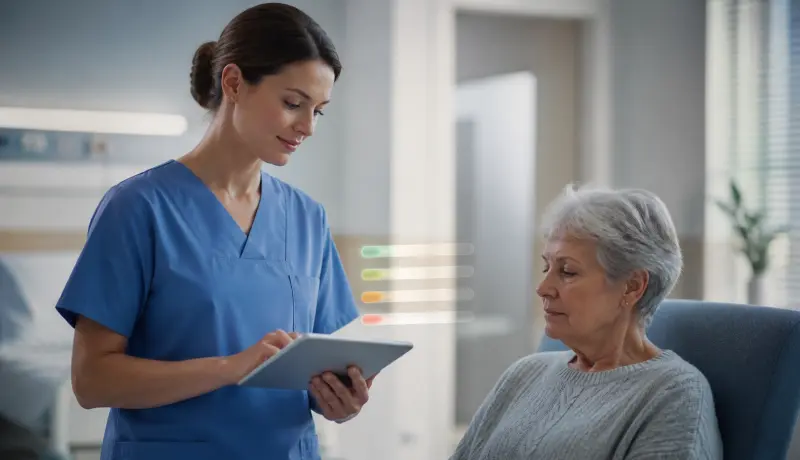
Its integration with frameworks like EWS (Early Warning Systems) and Nursing Care Burden Protocols supports clinicians in prioritizing interventions. Importantly, the system works within HIPAA-compliant pathways, protecting patient data while enhancing visibility across care teams.
For SNF, this means reduced staff workload, improved detection of clinical deterioration, and alignment with CMS’s value-based care programs.
Dozee vs. Traditional Health Monitoring: Key Differentiators
| Aspect | Traditional Monitoring | Dozee Remote Monitoring |
|---|---|---|
| Method | Manual vital checks every few hours | Contactless continuous monitoring via under-mattress device |
| Staff Time | Labour-intensive, repetitive | Frees up staff for higher-value care |
| Data Capture | Intermittent, risk of gaps | Continuous trends to inform care decisions |
| Clinical Tools | Observation charts | Integrated with EWS and other frameworks |
| Compliance | Requires manual documentation | Digital records support CMS reporting |
| Patient Comfort | Can disrupt rest, especially at night | Seamless, non-intrusive monitoring |

The Future of Remote Health Monitoring
As U.S. healthcare moves toward value-based care, SNF are expected to adopt models that improve outcomes while lowering costs. Remote health monitoring offers the infrastructure to achieve this balance.
Dozee demonstrates how contactless RPM can support facilities in:
- Reducing unnecessary readmissions.
- Strengthening reimbursement under PDPM (Patient-Driven Payment Model).
- Enhancing family trust by ensuring patients are continuously cared for.
The future lies in pairing human expertise with technology that supports clinicians, rather than replacing them.
FAQs
Traditional health refers to conventional models of care that rely on in-person visits, manual checks, and direct nurse-patient interactions.
A health monitoring system is a structured way of collecting, recording, and reviewing patient health data to support clinical decision-making.
Benefits include direct personal interaction, simplicity, and low reliance on technology.
Typically: (1) data collection (e.g., vitals), (2) recording and transmission, and (3) review by clinicians.
They are labor-intensive, prone to gaps in patient monitoring, and may miss early signs of deterioration—leading to higher readmission risks.